
Tuckpointing 101
If you own a brick home or building for long enough, you’re going to hear the term tuckpointing. For many property owners, it sounds technical and mysterious, but it’s not; tuckpointing is a valuable maintenance service that can help prevent your masonry structure from collapsing.
Here’s everything you need to know about tuckpointing.
What is Tuckpointing?
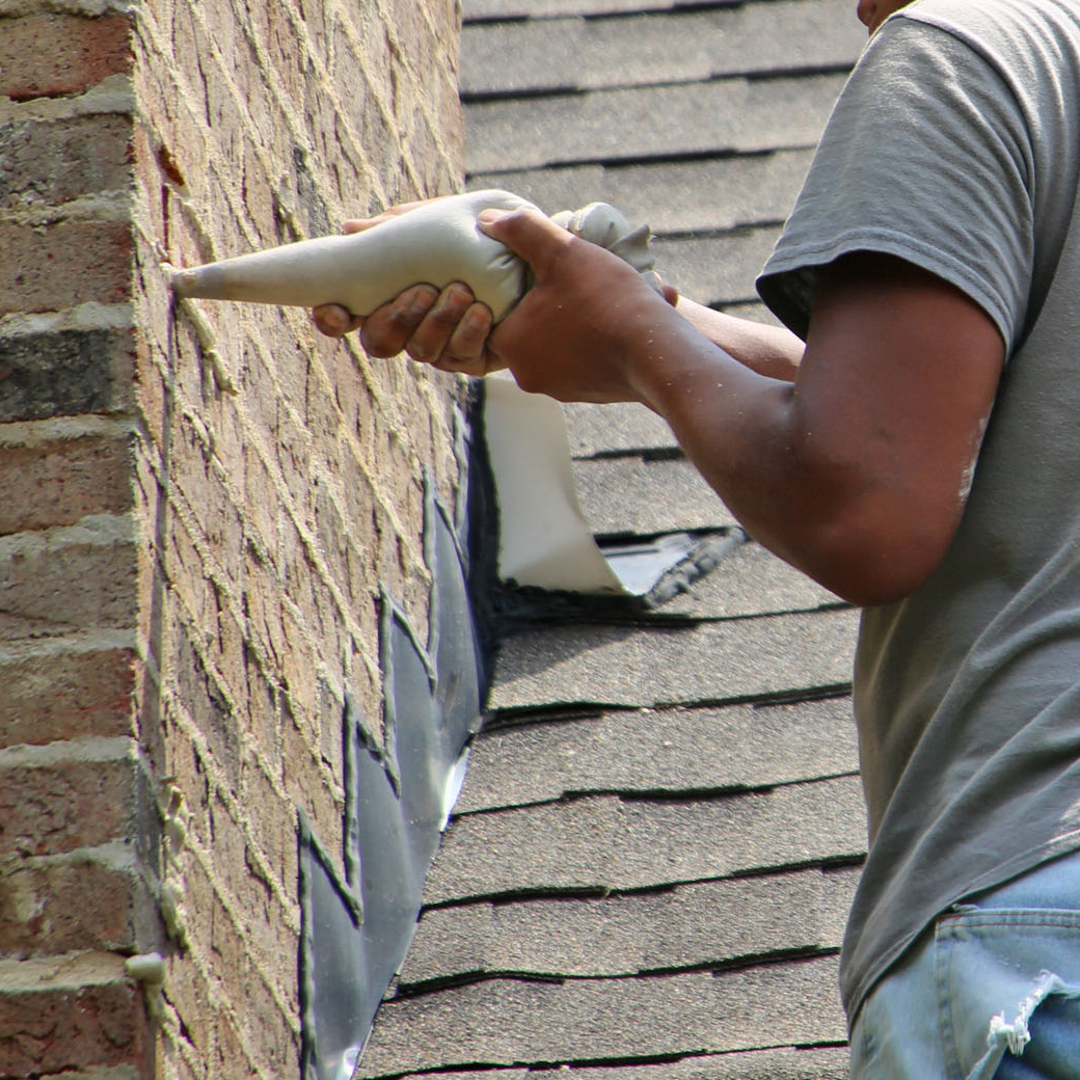 Tuckpointing is the process of removing damaged or deteriorating mortar between bricks and replacing it with fresh mortar. This restores the structural integrity and appearance of the chimney and wall.
Over time, mortar joints break down due to freeze/thaw cycles, moisture ingress, UV exposure, settling, and aging.
While bricks can last 75-100 years or more, mortar joints typically last only 20-30 years before needing to be replaced.
During the process, the technician will grind or chisel out the old mortar, clean the joints, apply new mortar that matches the old, and tool the joints for a clean, finished look.
When professionally done, the new mortar blends seamlessly with the brick.
Why Tuckpointing is Important
Mortar isn’t just decorative; it’s the glue that holds the brick structure together. When mortar begins to fail, it can lead to serious problems, including water damage, structural weakness, chimney deterioration, and reduced property value.
Signs You Need Tuckpointing
Not sure your masonry needs attention? Here are the most common warning signs to watch for.
- Crumbling or powdery mortar
- Gaps between the bricks
- Mortar that’s recessed more than 1/4 inch from the brick face
- Visible cracks in mortar joints
- Loose bricks
- Water leaks near the brick walls or the chimney
Here’s a simple test you can perform: Run a screwdriver lightly across the mortar. If it flakes or powders easily, it’s time for a fix.
When Should You Do Tuckpointing?
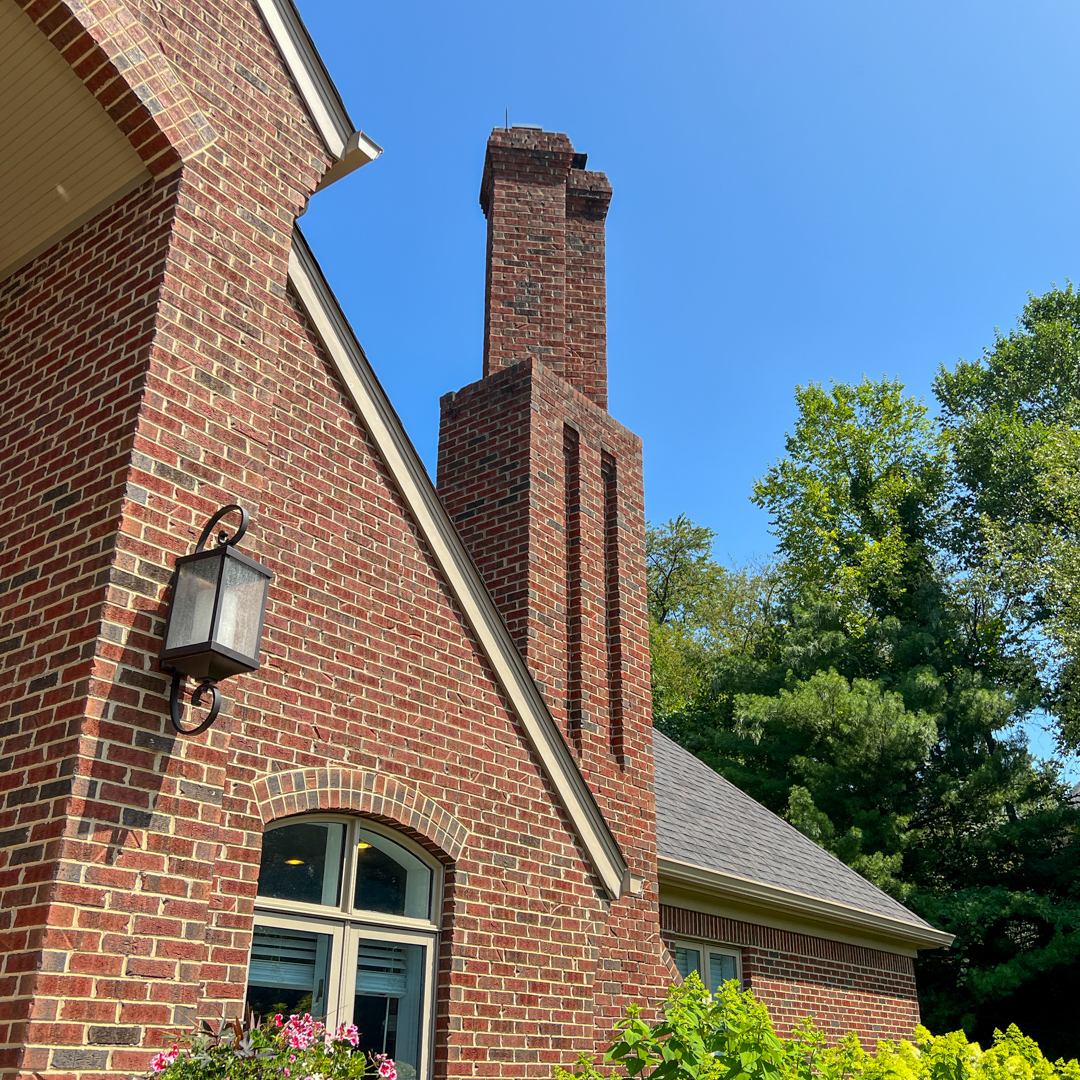
Every 20-30 Years on Average- Experts say most brick homes and chimneys need tuckpointing every few decades, depending on climate and exposure.
After Harsh Winters- If you live in a freeze/thaw climate, inspect the masonry in early spring. Winter is especially hard on mortar and other masonry materials.
Before Selling Your Home- Tuckpointing is a high ROI improvement. It boosts appearance and reassures buyers that the home has been well-maintained.
When Catching Early Damage- The best time to tuckpointing is before bricks start cracking or spalling. Once bricks are damaged, the repairs get far more expensive.
Is Tuckpointing a DIY Job?
In a word, no. While you can fix small patches if you’re an experienced DIYer, a full tuckpointing job is a labor-intensive task that requires a skilled professional. Improper tuckpointing can cause serious issues:
- Using mortar that’s too hard can damage older bricks
- Incorrect color matching that looks obvious and ugly
- Poor joint tooling that allows water intrusion
- Inadequate depth removal that reduces durability
For historic homes, especially, mortar must match the original lime-based composition. Using modern Portland cement on old brick can accelerate deterioration.
In nearly every case, a professional masonry contractor is the best option and will give the best results.
Remember, while bricks get the attention, it’s the mortar that does the heavy lifting. If you notice cracking, crumbling, or recessed joints, don’t wait. Water damage and structural issues escalate quickly once the mortar fails.
Does Your Chimney Need Some TLC?
Horizon Chimney Services is the go-to chimney professional throughout Eastern Massachusetts. We’re family-owned and operated, and committed to providing honest, professional chimney and fireplace services. Call us today!