
The Danger of Excess Creosote in Your Chimney
When chimneys catch on fire, it’s almost always because the creosote inside them has ignited. Horizon Chimney Services of Franklin, MA, would like to share some helpful information about:
- What creosote is
- How it ends up in chimneys
- The dangerous things creosote can do
- How to remove it
- How to create less of it
What is creosote?
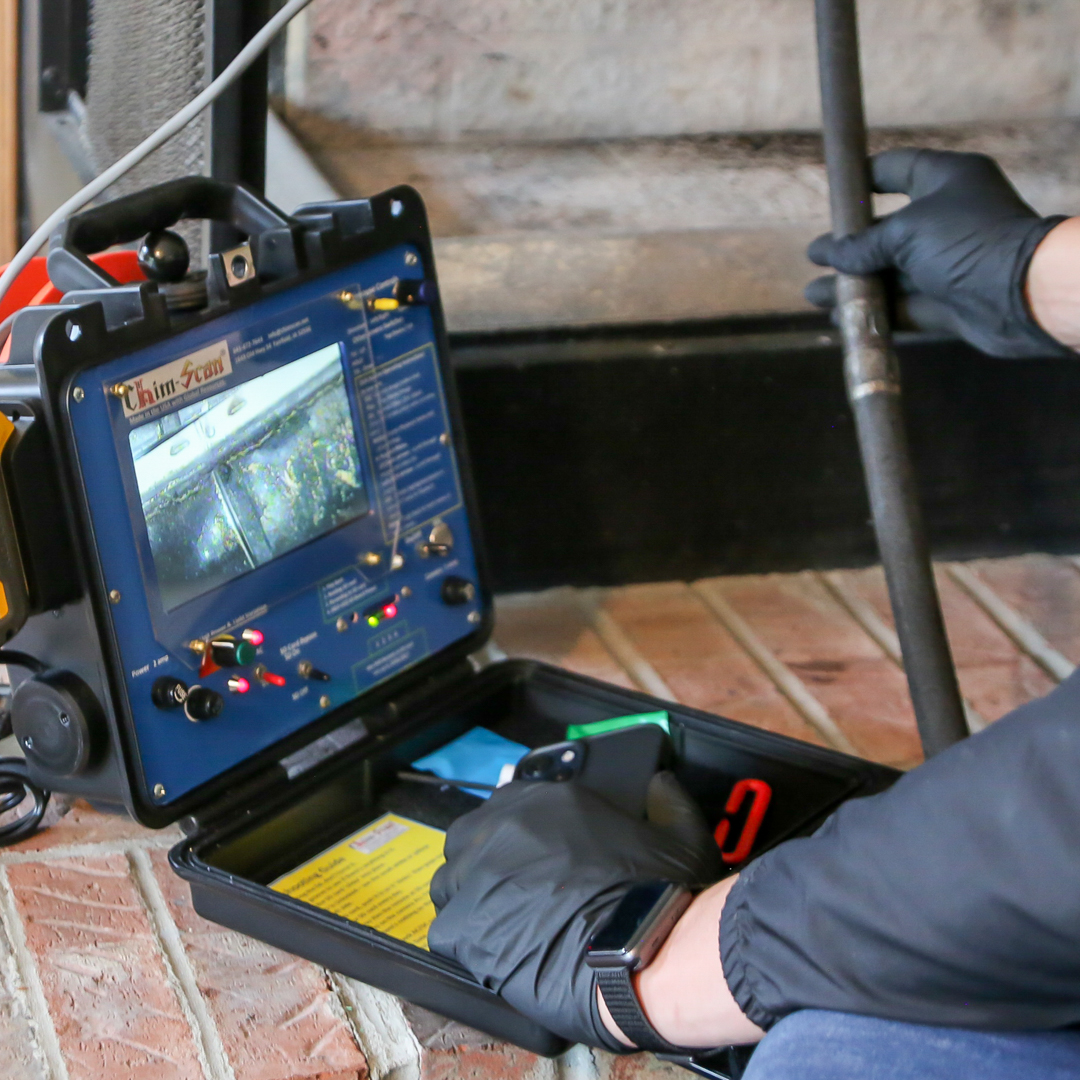
Creosote is an acidic and highly flammable substance. It can be sticky, flaky, puffy, or solid and clings to the surfaces of the chimney liner. Creosote can also build up in the smoke chamber, on the fireplace damper, and on the chimney cap or chase cover at the top of the chimney.
How creosote ends up in chimneys
When smoke from burning logs or pellets condenses in a chimney flue, it turns into creosote. If smoke is allowed to remain in the flue for long periods, it will add to the accumulation (see below).
What creosote can do
A chimney fire is the biggest concern. Another concern is acidic damage. Creosote’s high acidity can harm the chimney liner, the damper, and other chimney components it comes into contact with.
When a chimney liner is cracked or eaten through, smoke and dangerous combustion gases can leak into the air inside the home. Carbon monoxide is one of these gases. It’s invisible and odorless, but it is known to be potentially fatal to people and animals when inhaled in sufficient quantities.
How to remove creosote
You may have seen chimney cleaning logs online or in stores. These products contain a chemical that can loosen and remove lighter forms of creosote. But keep in mind the warning from the Chimney Safety Institute of America (CSIA): chimney cleaning logs are at best a supplement to annual chimney sweeping service.
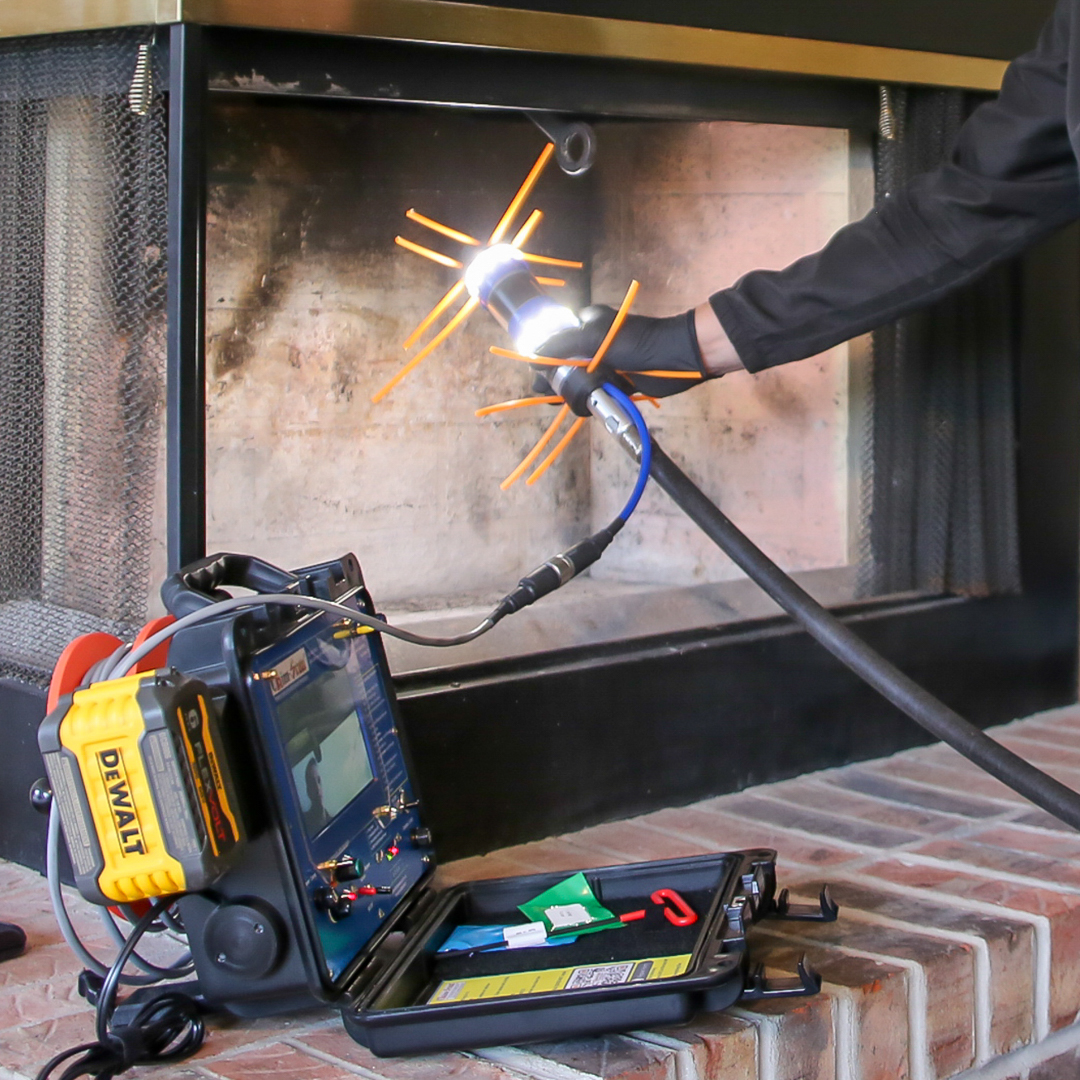
Only a CSIA-certified chimney technician has the tools and verified training to safely remove built-up creosote in all its forms from a chimney flue. This job requires special brushes, scrubbers, whips, solvents, and commercial vacuums. It’s not something you should attempt on your own.
How to create less creosote
You can’t keep creosote from forming, but you can cause less of it to end up in your chimney. Here are six ways to do this.
-
Make less smoke
Burn dry firewood, which produces less smoke than damp, unseasoned wood.
-
Burn only firewood
Never burn plastic, metal, cardboard, clothing, or anything other than firewood. These materials create a lot of smoke.
-
Clean the flue
Keep the chimney clean to provide an efficient draft that gets smoke out of the flue quickly.
-
Watch the chimney cap and damper
Make sure your chimney cap’s mesh is clean so smoke can move through it quickly. Make sure your fireplace damper can open all the way when you’re starting a fire.
-
Reduce negative air pressure
Try not to run kitchen and bathroom exhaust fans when the fireplace is in use. These devices can draw air away from the fireplace and slow down the draft, allowing smoke to remain in the flue for longer periods.
-
Warm the flue
Cold flue air is heavier than warm smoke. Before starting a fire on a cold winter day, hold a lit rolled-up newspaper beyond the damper to warm the air in the flue.
Help for your chimney
If it’s been more than a year since your chimney was cleaned, call Horizon Chimney Services to schedule chimney sweep service. We work throughout Eastern Massachusetts and Rhode Island with certified chimney sweeping, inspections, and repairs.
Reach a technician by phone or through our contact form.