
Are You Using Your Damper Correctly?
If you have a fireplace, you probably have a damper. And if you do, it’s a safe bet you rarely think about it. But this small metal component plays a huge role in safety, efficiency, and comfort. If you’re not using your fireplace damper correctly, you could be losing energy, pulling smoke into your home, or creating a fire hazard.
Let’s break down how dampers work, the two main types, and how to know when yours needs to be replaced.
What Does a Damper Do?
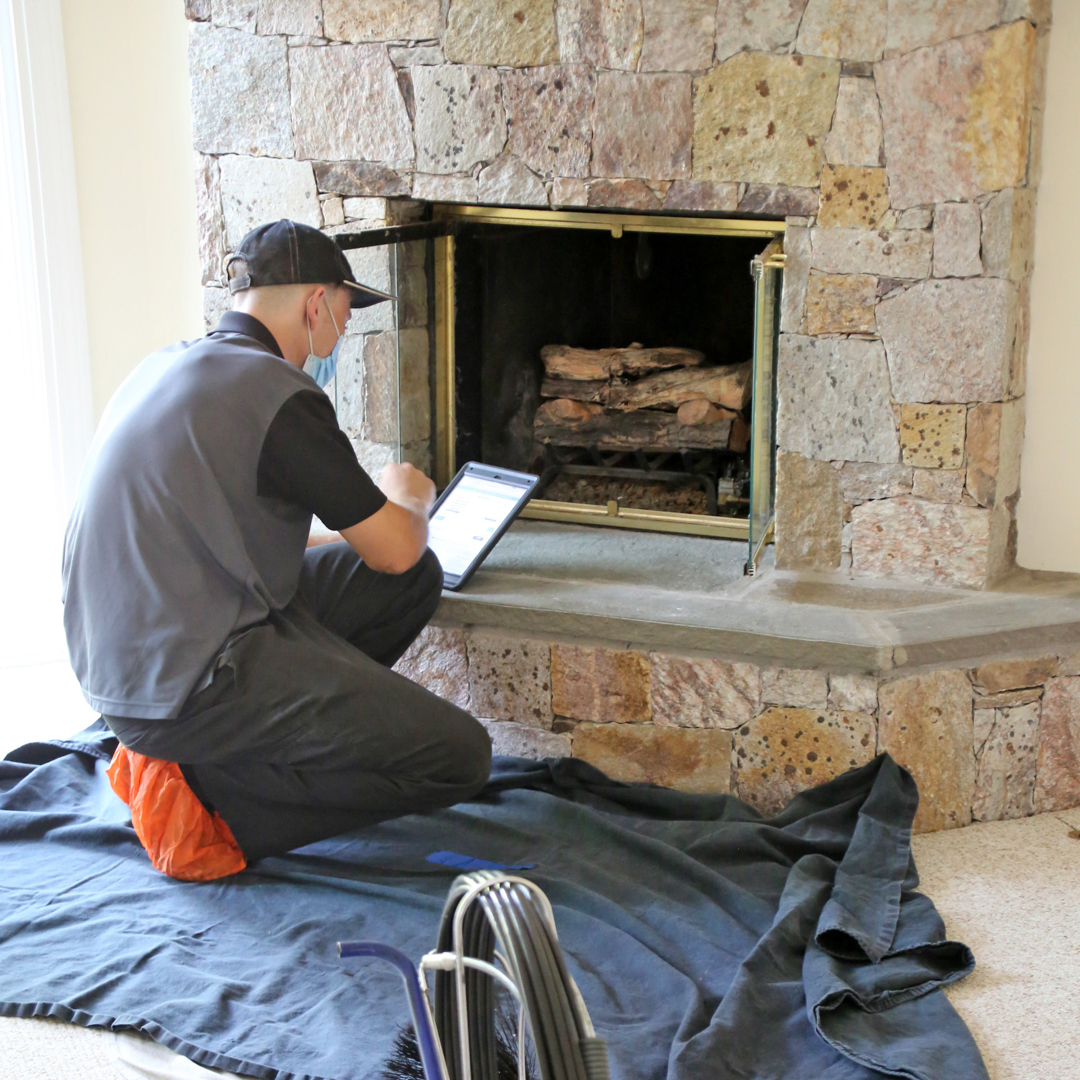
A fireplace damper is a movable plate that opens and closes the flue (the passageway that carries smoke up and out of your chimney). Its job is simple. The damper should be:
- Open when you’re burning a fire to allow smoke and gases to escape.
- Closed when the fireplace is not in use to prevent drafts, heat loss, and debris from coming down the chimney.
When used properly, a damper improves energy efficiency and keeps your home comfortable. When used incorrectly—or if it’s damaged—it can cause serious issues.
The Two Main Types of Dampers
Throat Damper
The throat damper is the most common and sits just above the firebox, inside the chimney’s throat. It’s usually made of cast iron or steel, and you work it with a lever or a rotary handle inside the fireplace.
The pros of the throat damper are that they’re standard in most older fireplaces, have a simple mechanical design, and are easy to reach from inside the firebox.
Its cons are that they often don’t seal tightly, are prone to warping and rust, and are less energy-efficient than newer options.
Because throat dampers sit lower in the chimney, they’re exposed to intense heat and moisture. Over time, this can cause them to corrode, affecting their seal.
Top-Sealing Damper
The top-sealing damper is installed at the top of the chimney and doubles as a cap. You operate these by a cable that runs down into the firebox.
The pros of the top-sealing damper are that they create a tighter seal, they’re more energy efficient, they keep out rain, animals, and debris, and are made from stainless steel or aluminum, making them more durable.
Cons are that they’re more expensive to install initially and require professional installation.
Are You Using the Damper Correctly?
It sounds obvious, but one of the most common fireplace mistakes is forgetting to open the damper before lighting a fire. This leads to smoke backing up into the home—something you’ll notice very quickly.
Here’s a simple checklist:
- Before starting a fire: Make sure the damper is fully open.
- After the fire is completely out and the ashes are cool, close the damper to prevent drafts.
- Never close the damper while embers are still burning! This can cause dangerous carbon monoxide to enter your home.
If you’re unsure whether your damper is open, shine a flashlight up the flue or look for visible daylight shining in.
Does Your Damper Need Replacing?
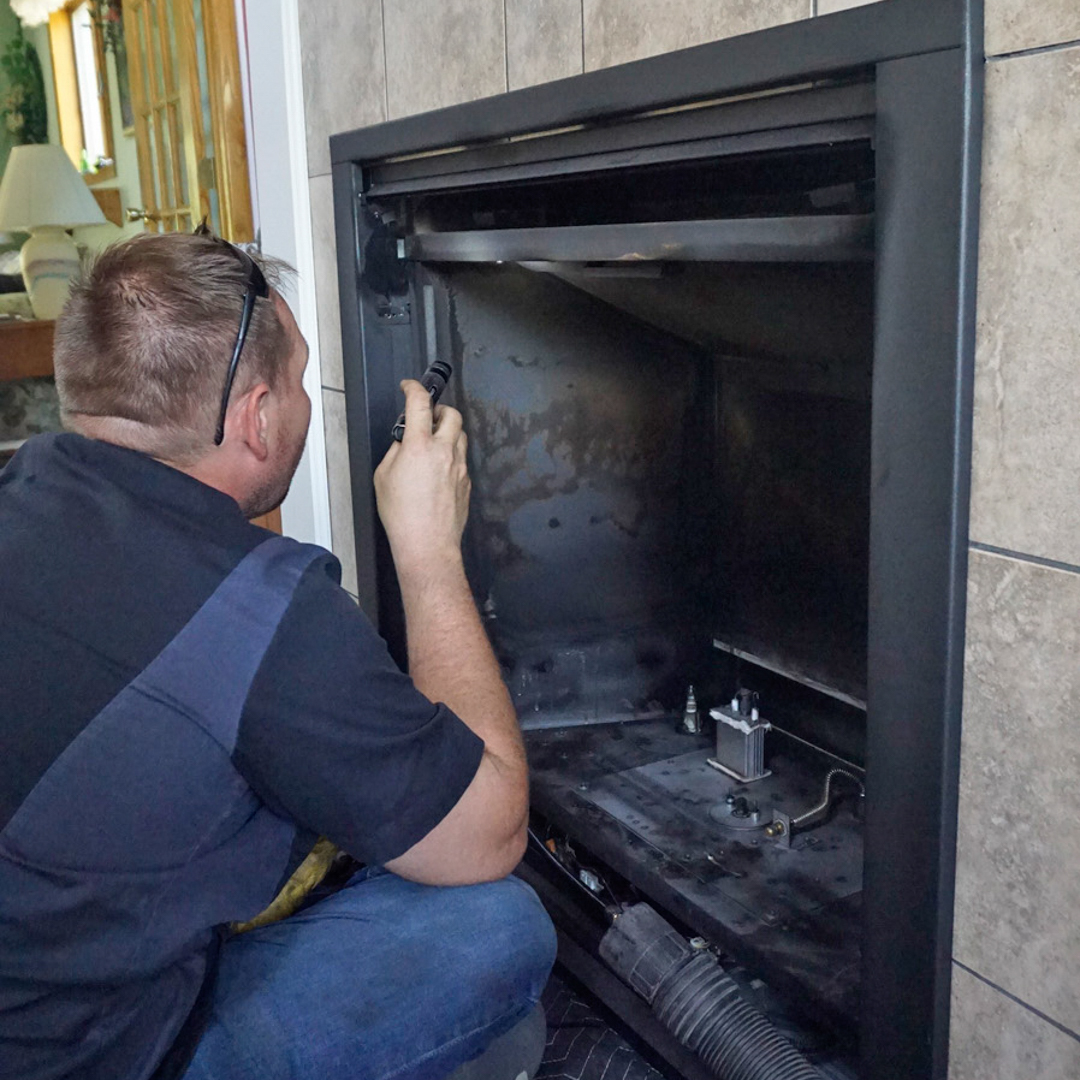
Like most fireplace components, the damper will wear out. Here are the most common signs it’s time for a replacement.
Rust and corrosion
Difficulty opening and closing
Excessive drafts
Visible gaps or warping
Animal or water intrusion
Is your damper worn out or not working properly? Call the pros at Horizon Chimney Services! We’re the most trusted fireplace and chimney experts in Eastern Massachusetts and Rhode Island. We’re locally owned, family operated, and our technicians are fully certified.