
What Type of Damper is Best? Pros and Cons of Each
Most people don’t pay much attention to the various parts of their chimneys, but one component deserves a second look: the damper. This simple mechanism controls airflow, keeps conditioned air inside the house, and prevents unwanted animals and debris from entering the living room.
Here’s a look at the types of dampers you can have and which one is best.
The Two Types of Chimney Dampers
At its heart, a damper is a movable plate that opens to allow smoke out and closes to keep outside air from coming in. There are two main kinds of dampers:
Throat dampers are located right above the firebox, and top-sealing dampers are installed at the top of the chimney. Here’s a breakdown of each one.
Throat Dampers
Pros
One of the biggest advantages of the throat dampers is their accessibility. They sit right above the fireplace, making them easy to repair or replace. They’re easy to open and close and are generally more affordable, making them the go-to choice in new construction or budget-conscious installations.
Another benefit of the throat dampers is that they make chimney sweeping easier because there’s no obstruction at the top. This means that chimney pros can remove creosote with standard tools, which can speed up the job.
Cons
Despite their convenience, throat dampers have several significant disadvantages. They’re exposed to intense heat from the fire, which can cause the metal to warp over time. This can lead to gaps that allow air to leak, reducing energy efficiency.
Throat dampers also provide a less effective seal compared to top-mounted dampers. Even when they’re closed, small openings can let warm air escape and cold air in.
Another drawback is durability. The constant exposure to heat causes them to wear out more quickly.
Lastly, throat dampers don’t do a good job of preventing rain, debris, or animals from getting in because they don’t seal the opening.
Top-Sealing Dampers
Pros
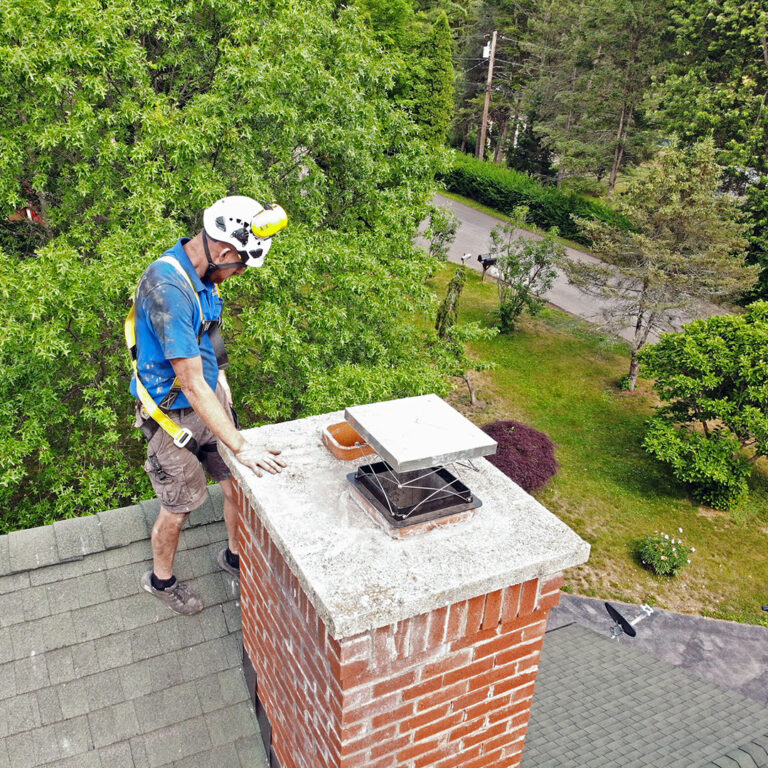
The number one advantage of the top-sealing damper is the airtight seal. They sit at the top of the chimney, preventing outside air from getting into the flue. This makes them much more energy efficient than throat dampers.
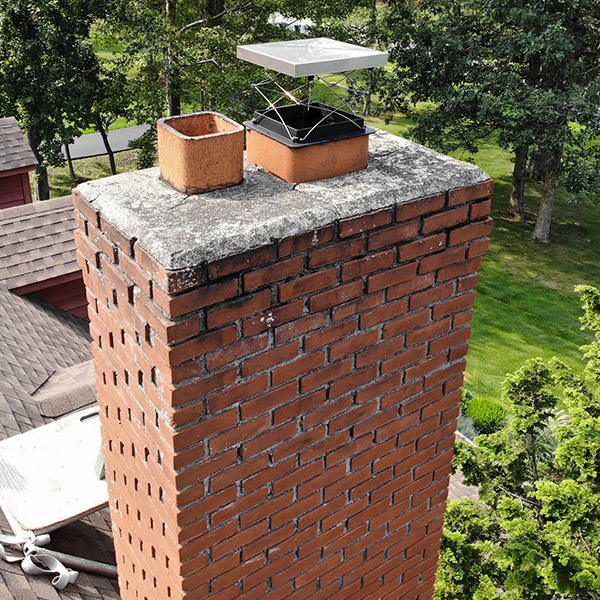
Many models have a rubber gasket that creates a tight seal, reducing the heating and cooling losses.
Top dampers also double as a chimney cap (although you should probably have one of those, too). They help keep out rain, snow, debris, and critters, providing an extra layer of protection.
Because they sit at the top of the chimney, they’re not as directly exposed to the high heat that a throat damper is, making them more durable and longer lasting.
Cons
The main downside of top-sealing dampers is the cost. They’re usually more expensive to install than throat dampers. They can also be less convenient for maintenance. Because they’re at the top, cleaning and repairs require roof access.
Another issue is that, unlike throat dampers, they don’t block the column of cold air sitting inside the chimney. In some cases, this can allow cold air to linger in the flue even though they provide a tighter seal.
Which One is Best?
For most people, the top-sealing damper is the best option overall. They provide a tighter seal, better energy efficiency, and added protection against weather and pests.
That said, throat dampers have their place. If you need a lower-cost solution, easier access, or simpler maintenance, they’re the practical choice.
Schedule Your Spring Chimney Sweeping Now
Spring is here, and it’s the best time to have your chimney swept and inspected by one of our trained professionals. We’ve proudly served homeowners in Eastern Massachusetts and Rhode Island since 2009. Our technicians are certified by the Chimney Safety Institute of America, so you can trust their work to be accurate. Call us today!